

Many homeowners assume that extensions, loft conversions, and garden buildings always require planning permission. In reality, Permitted Development (PD) rights allow many works to proceed without a full application — but only where strict rules are met.
Getting this wrong can lead to enforcement action, delays on sale, and costly redesigns.
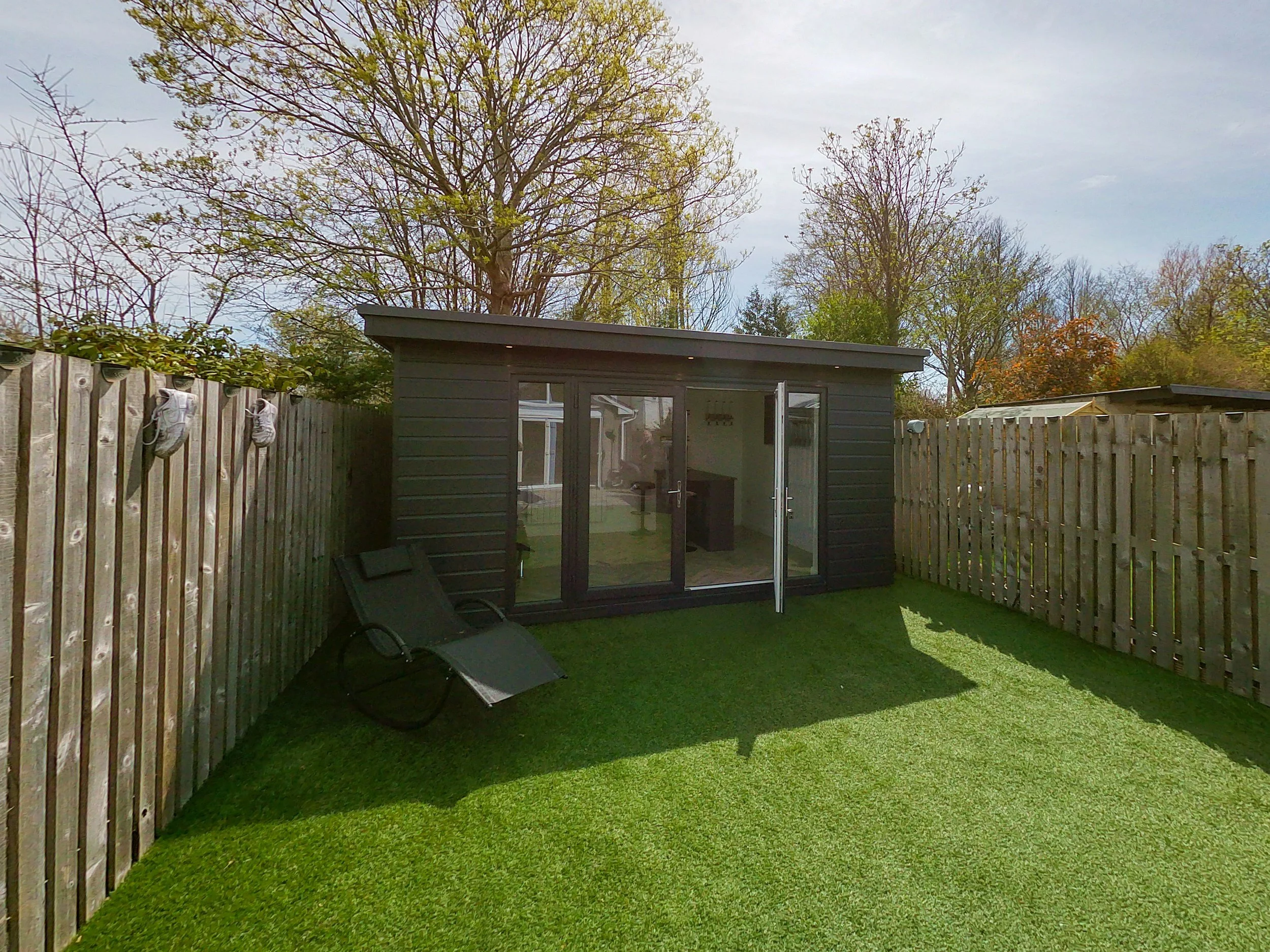
What is Permitted Development?
Permitted Development rights are national planning rules that allow certain home improvements without planning permission, provided defined limits and conditions are satisfied.
They generally apply to houses, but not automatically to flats or maisonettes, and can be restricted or removed in specific areas or by planning conditions.
Do all homes have permitted development rights?
No. PD rights may be limited or removed where:
The property is a flat or maisonette
The house has been converted into multiple units
A planning condition removes PD rights
The property is in an Article 4 Direction area
Even where PD exists, restrictions are common in conservation areas and parts of London.
Rear extensions
Permitted rear extensions are typically:
Up to 3m (terraced/semi-detached)
Up to 4m (detached)
Or up to 6m / 8m via prior approval
Key constraints include:
Measured from the original rear wall
Maximum height and eaves limits
Materials broadly matching the existing house
No more than 50% of original garden coverage
Loft conversions
Many loft conversions qualify under PD, subject to limits:
Up to 40m³ (terraced) or 50m³ (others) additional volume
No extension beyond the front roof slope
Dormers set back from eaves
No increase in ridge height
Roof volume miscalculations are a common compliance issue.
Outbuildings
Garden rooms, offices, and studios are often permitted if:
They are incidental to the main house
Single storey
Max 2.5m height near boundaries
Not used as a separate dwelling
Using an outbuilding as a separate home or rental unit usually requires planning permission.
Lawful Development Certificates (LDC)
Even if works are PD compliant, an LDC is often advisable.
It provides:
Formal council confirmation of legality
Protection during disputes or enforcement complaints
Evidence for future property sales
Common pitfalls
PD rights are frequently lost or invalidated due to:
Previous extensions using up allowances
Incorrect measurement of original structures
Overlooked Article 4 restrictions
Planning conditions removing PD rights
Exceeding height or boundary limits
When planning permission is required
You will usually need full planning permission if:
The property is a flat or maisonette
PD rights are restricted or removed
Limits are exceeded
A new dwelling is created
How Julie West Solicitors can help
We advise homeowners on the legal planning status of proposed works, including:
PD rights assessments
Lawful Development Certificates
Planning permission strategy
Risk review before works commence
Our focus is simple: clarity, compliance, and avoiding enforcement risk.
Before you build
Before committing to design or construction, it is essential to confirm what is legally permitted on your property. A short legal review at the outset can prevent significant cost and delay later.
Julie West Solicitors is pleased to assist with all aspects of residential and commercial property, wills, trusts, probate and lasting powers of attorney:
To start a conversation with your solicitor phone us on 01372 383273 or complete our online enquiry form.


Conveyancing solicitor Talat Naveed